Five Genres, Five New Rules
The original prompt was ambitious:
“Actually, in addition to what I already added, I want you to try creating—not try—I want you to create five different games in five different genres that are truly unique in each one of those genres. A genre-defining title that breaks conventions and shatters minds.”
I wanted to see what would happen if we took that seriously. Start from different genres, then find a rule that changes how each one feels to play. Give each game a reason to exist beyond its setting or appearance.
From a pitch to something you can play
These five builds are rudimentary. Calling them genre-defining already would get ahead of the work. But they do take a first step: they turn pieces of that ambition into working interactions. You can move, try the rule, hear a response and begin to feel what might be worth developing.
That matters because an idea for a game can sound exciting and still have no life in the hands. These builds give us something concrete to test.
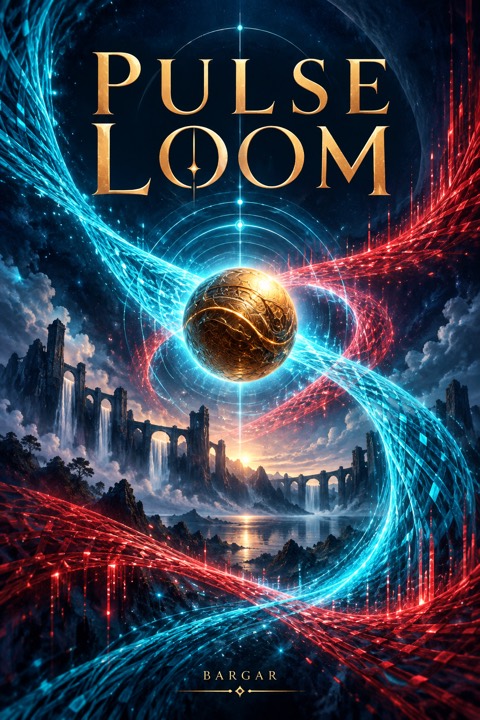
Pulse Loom · Rhythm / coordination
Control an orbit in two dimensions. Rotation and depth work together as you guide a gold bead into blue pulses and away from red crosses.
The first step: a playable coordination loop built around circular movement and depth, where finding the right position matters as much as timing.
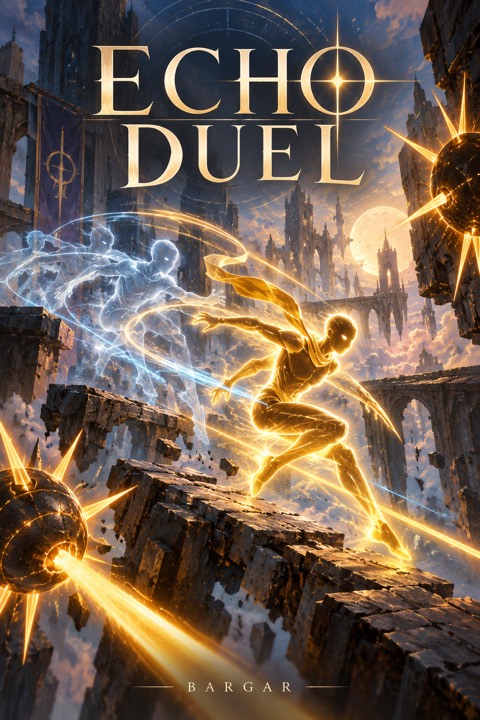
Echo Duel · Action
Your movement becomes useful again two seconds later. Dodge with your present self while steering the path your echo will follow.
The first step: your recorded path becomes a second instrument of play. A delayed version of you can earn points from hazards you must avoid now.
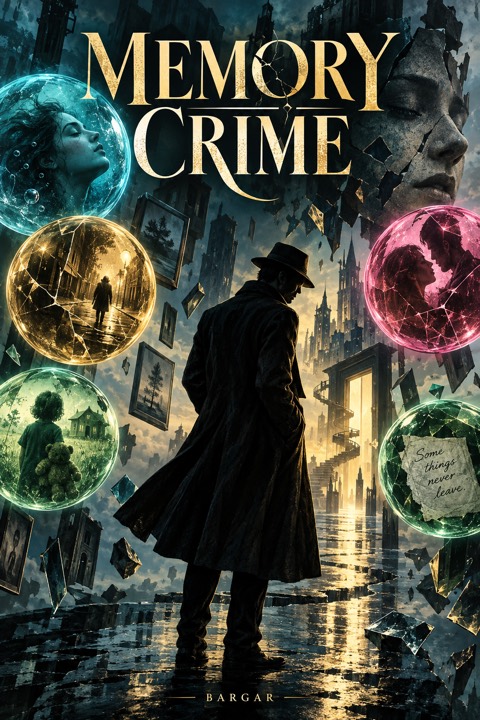
Memory Crime · Puzzle / detective
Remember the color order, follow the changing recall cue and reach the matching memory before it disappears.
The first step: recollection becomes something you perform in time and space. The present build is a color-and-timing puzzle; a deeper investigation remains to be developed.
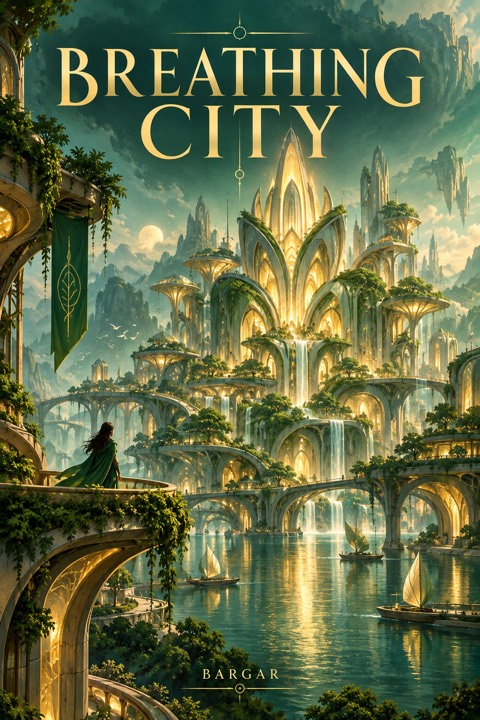
Breathing City · Strategy / simulation
Stand near buildings and match the city’s rising and falling breath. Holding and releasing a single button becomes a way to create harmony.
The first step: a playable sketch of tending through synchronization. The breathing interaction is here; broader city systems and strategic choices are still ahead.
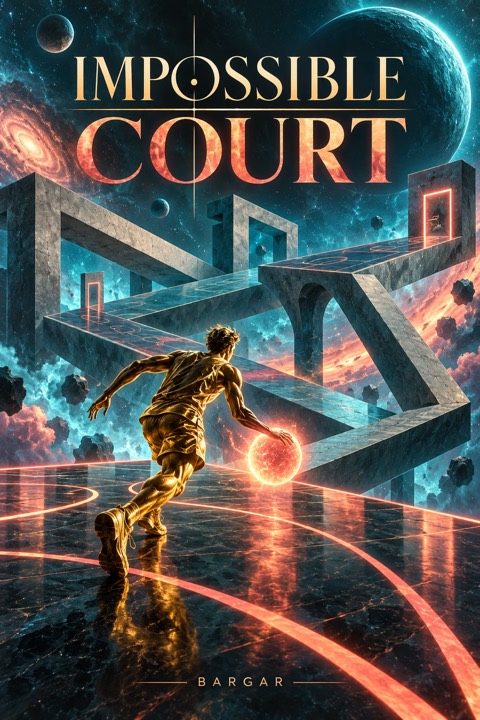
Impossible Court · Sports
Move into position, charge your return and meet the ball. Proximity and charge turn a small arena into an unusual rally.
The first step: a playable foundation for a different kind of sports interaction. Movement, charge and returns are implemented; the larger idea of attention changing the ball’s behavior is still to come.
What the first step accomplishes
Pulse Loom and Echo Duel make their central ideas directly playable: an orbit with adjustable depth, and a path that returns as a delayed second self. Memory Crime and Breathing City turn timing into recollection and synchronization. Impossible Court supplies an arena and a return mechanic from which its more unusual sports idea can grow.
They reach different distances toward the pitch. A full detective game needs a case worth investigating. A city needs choices and consequences beyond one breathing interaction. The court’s intended attention mechanic still needs to be built. Across all five, the next question is whether the rule can sustain surprise, skill and enjoyment over a larger game.
I still want the bigger ambition. These prototypes give us a place to begin pursuing it, and a way to tell which ideas feel as good to play as they sound.
Try them in your browser. Each has a guide, controls and music settings. Play the five games →